
Blog · 17 August 2026
IT Week — TSMC raises its outlook, consoles get pricier, and refurbished cashes in
Second issue of the Vikast Blog: the week's IT news, a look at the refurbished world, and one practical tip you can use right away. Let's go.
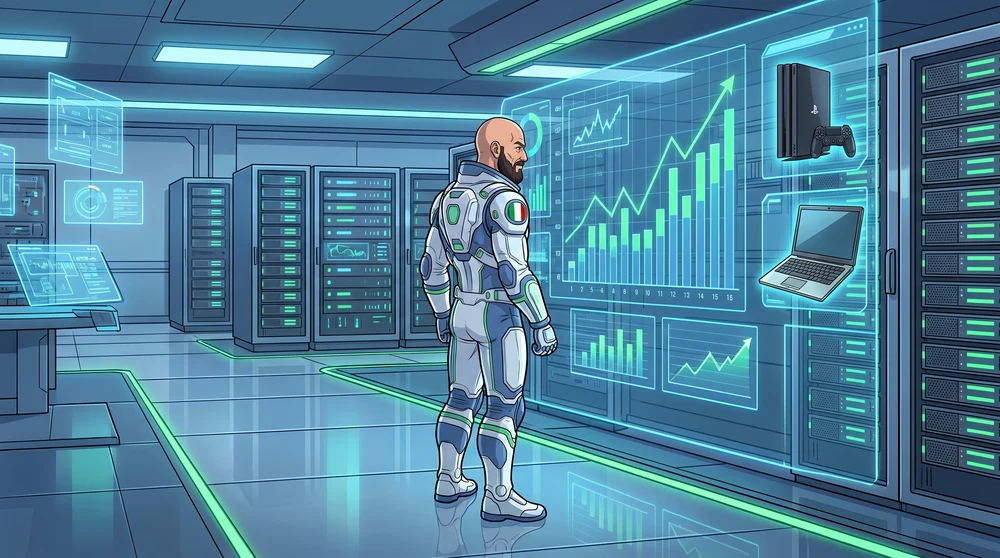
📰 News of the week: TSMC speeds up, and the bill lands straight on consoles
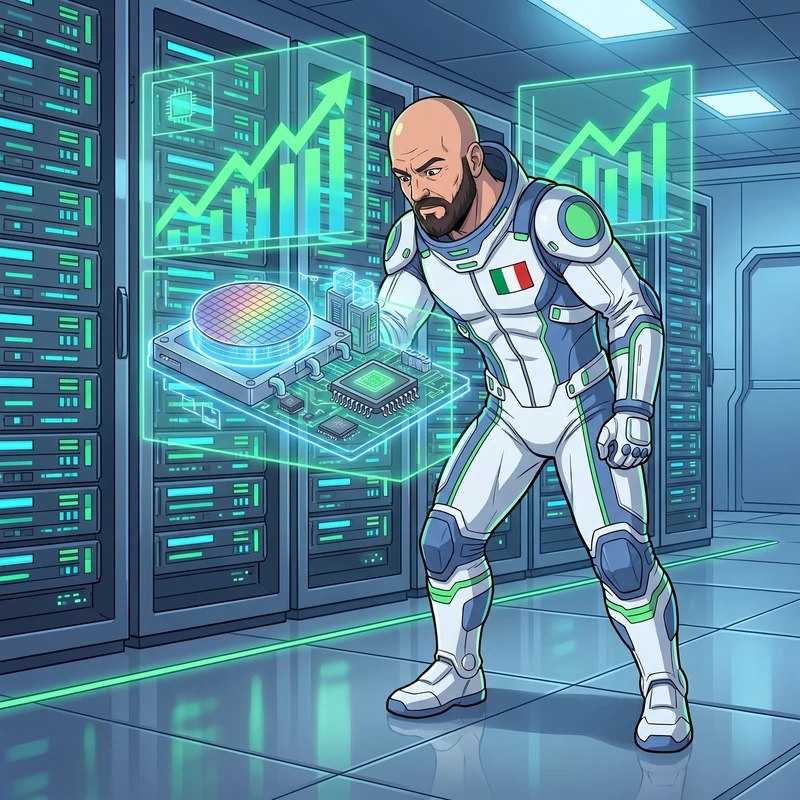
Off the back of its Q2 2026 results, TSMC raised its 2026 revenue growth outlook to "slightly above 40%" in US dollar terms, up from its previous guidance of above 30%. CEO C.C. Wei points to an ever-stronger "AI megatrend," with agentic AI now reviving data-center CPU demand on top of already-solid accelerator demand. The capex budget climbs to $60-64 billion, with another $100 billion announced for its Arizona plants.
The knock-on effect is already showing up on shelves: as of August 1, 2026, Microsoft raised Xbox Series X and S prices by $100-150, dropping the 2 TB model from the lineup entirely. The company's official reason: "console storage and memory prices have increased by more than 2.5x, and we expect another doubling by the fall of 2027." The hunger for AI chips heating up the foundries is climbing the chain all the way to the price of the finished product.
And here's where it concerns us too: to soften the blow for customers, Microsoft itself rolled out certified refurbished Xbox consoles discounted up to $100, alongside zero-interest installment plans. When the maker of the new hardware leans on refurbished to keep prices sustainable, the market has already cast its vote.
♻️ Refurbished world: when even the seller of new hardware says it, it means something
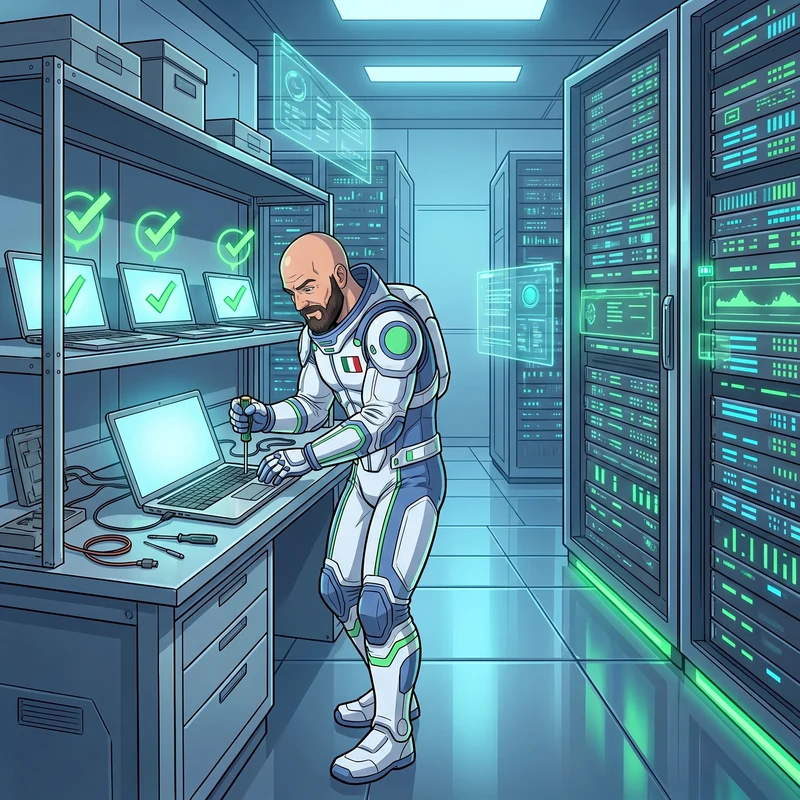
Meanwhile, the sector's own numbers keep climbing: the latest estimates put the global refurbished electronics market at $68.24 billion in 2026, projected to reach $136.40 billion by 2033 — roughly doubling in seven years, a 10.4% average annual growth rate.
On the environmental side, the figures remain a warning sign: the world generates roughly 57.4 million tonnes of e-waste a year (2021 figure, growing by about 2 million tonnes annually), of which only 22.3% is properly collected and recycled. If the trend holds, that figure reaches 74.7 million tonnes by 2030. Every device that goes back into service instead of sitting in a drawer or a landfill is manufacturing — and impact — avoided.
The link to the news above is no coincidence: when even the company selling brand-new hardware points to refurbished as part of the answer to rising prices, the "fallback choice" label no longer holds up. That's exactly what we've been doing since 2006: extending the working life of business IT with certified data erasure, instead of always buying new.
🪟 The Windows tip: let your PC clean up after itself
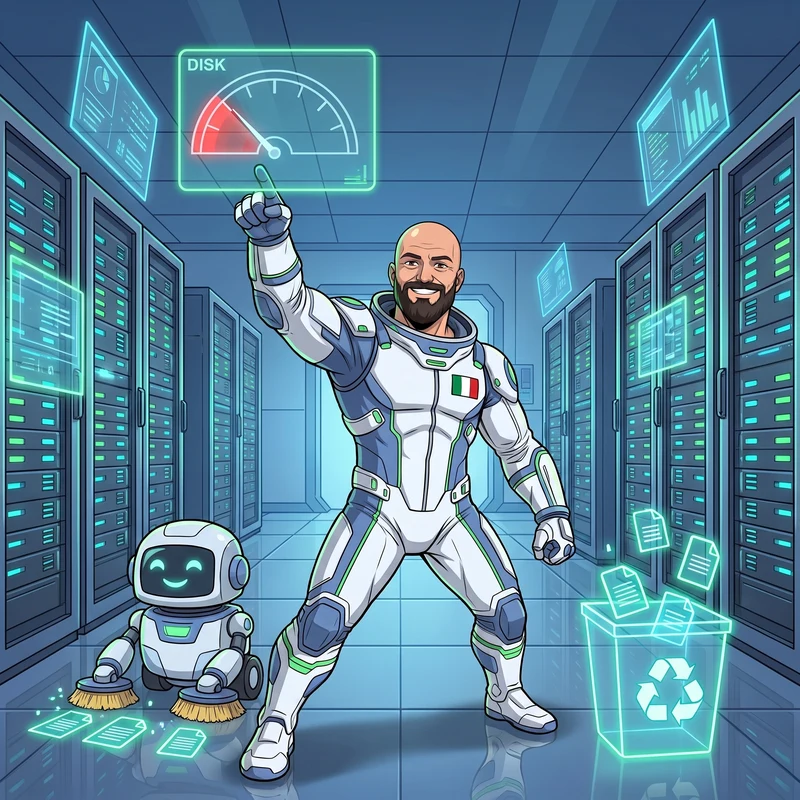
Anyone working on a refurbished laptop — often with a smaller drive than the newest models — knows that moment when Windows warns you're running out of space. The cause is almost always temporary files, forgotten downloads, and a recycle bin nobody empties.
The built-in fix in Windows 10 and 11 is called Storage Sense, and it's off by default. Turn it on via Settings → System → Storage → Storage Sense: once enabled, change the cleanup schedule from "only when disk space is low" to every week, and leave the options on to automatically clear temporary files and empty the recycle bin after 30 days. From then on, your disk keeps itself tidy, with nothing to remember.
Bonus: on the same screen you can also free up space from OneDrive content you've downloaded and never reopened — it stays available in the cloud whenever you need it.
See you next week! 🚀